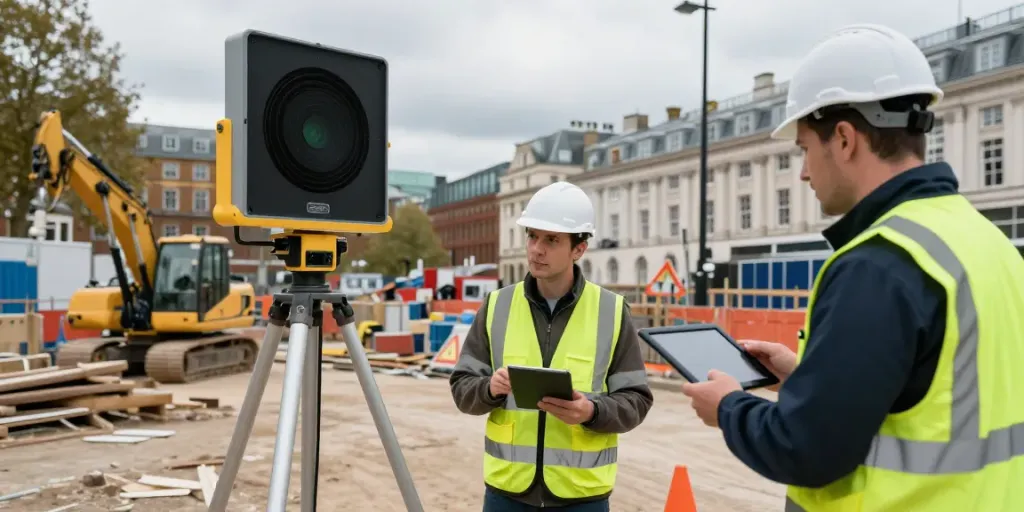
Understanding GPR Surveys
Ground Penetrating Radar (GPR) surveys are becoming increasingly essential in various industries, particularly in urban environments like London. These non-invasive surveys allow professionals to detect, locate, and map underground utilities and structures without disrupting the surface. The significance of a GPR Survey London cannot be overstated as it enables safe excavation and construction practices, reducing the risk of damaging existing infrastructure. When exploring options, GPR Survey London provides comprehensive insights for stakeholders in need of reliable underground mapping.
What is a GPR Survey?
A GPR survey employs radar technology to send pulses into the ground, which then reflect back to the surface when they encounter different materials. The data collected allows surveyors to create detailed images of subsurface structures, such as pipes, cables, voids, and even archaeological features. GPR is preferred for its ability to deliver accurate results in real-time, making it an invaluable tool for developers, engineers, and environmental consultants.
Key Benefits of GPR Survey London
- Non-invasive: Unlike traditional excavation methods, GPR surveys do not disturb the surface, preserving the integrity of existing structures.
- High accuracy: GPR provides precise data on the location and depth of subsurface features, essential for planning and risk management.
- Cost-effective: By identifying potential obstacles before excavation, GPR surveys can significantly reduce unforeseen expenses related to utility damage.
- Quick results: GPR surveys can be completed swiftly, allowing projects to keep on schedule.
How GPR Works: Technology Behind the Scan
The technology behind GPR involves the generation of electromagnetic waves. Specifically, a GPR system consists of a transmitter, which sends out radar pulses, and a receiver, which detects the reflected waves. When these waves encounter different materials in the ground, the variations in their electromagnetic properties cause changes in the return signal, which is recorded for analysis. This sophisticated process allows surveyors to identify objects and layers underground, from utilities to geological anomalies.
Applications of GPR in Urban Environments
Construction and Infrastructure Development
In urban settings, construction projects are often impeded by unknown underground utilities. GPR surveys play a critical role in mapping out these hidden infrastructures, preventing costly delays and accidents during construction. For example, a recent high-rise development in central London utilized GPR to identify existing utility lines, enabling builders to plan their excavation accordingly and avoid cutting into gas or water mains.
Utility Mapping: Avoiding Costly Mistakes
Utility mapping through GPR technology is essential in both residential and commercial projects. By accurately mapping underground utilities, companies can plan their work without risking damage to existing services. This proactive approach can save thousands in potential repair costs and project delays. Additionally, GPR can assist in compliance with regulations, ensuring that all necessary precautions are taken to protect existing infrastructures.
Environmental Surveys and Assessments
GPR is also invaluable in environmental assessments, particularly in investigating contamination or assessing geological conditions. It can help detect buried environmental hazards, thus playing a vital role in site remediation projects. For instance, before a new park development, a GPR survey could identify any subsurface pollutants that need addressing before proceeding with landscaping and construction.
Choosing the Right GPR Survey Company in London
Evaluating Expertise and Experience
When selecting a GPR survey company, it is crucial to assess their experience and qualifications. Look for companies with a proven track record, ideally within the London area, as they will be familiar with local regulations and potential challenges. An experienced surveyor should have the ability to interpret data accurately and provide actionable insights that align with your project needs.
Understanding Service Offerings and Pricing
Different companies may offer a variety of services related to GPR surveys, including utility locating, concrete scanning, and subsurface imaging. It is essential to understand the specific offerings of a survey company to ensure they match your requirements. Additionally, obtaining detailed quotes that outline what is included in the pricing can help you avoid unexpected costs.
Customer Reviews and Case Studies
Reading customer reviews and case studies can provide valuable insights into a company's reliability and quality of service. Look for testimonials that highlight successful projects similar to yours, as this can indicate the company's capability in handling specific challenges. Engaging with previous clients can also give you a clearer picture of what to expect in terms of service and results.
Challenges in GPR Surveying
Common Misconceptions About GPR
Despite its benefits, GPR surveying is often misunderstood. Common misconceptions include the belief that GPR can detect all underground features, which is not accurate. While GPR is excellent for locating many structures, its effectiveness can be reduced in certain soil conditions or when materials are too dense.
Limitations of Ground Penetrating Radar
GPR does have limitations, primarily related to depth penetration. The effectiveness of GPR diminishes with increased depth, typically ranging from 1 to 30 metres, depending on the soil type and the frequency of the radar wave used. Furthermore, signals can be impacted by the presence of water or highly conductive materials, which may obscure results.
Ensuring Accuracy and Reliability of Results
To ensure the accuracy of GPR results, it is crucial to follow best practices during the survey process. This includes selecting appropriate frequencies based on the expected depth and material types. Calibration and validation of results against known features can also enhance reliability, ensuring that the data collected is actionable for decision-making.
Future Trends in GPR Surveying
Innovations in Technology for 2026 and Beyond
The future of GPR technology is promising, with innovations underway that may enhance the quality and depth of surveys. Developments in sensor technology, data processing, and integration with artificial intelligence (AI) could lead to more accurate subsurface mapping. Such advancements may enable real-time data processing, which can significantly streamline project workflows and decision-making.
Integration with Other Survey Methods
As the industry evolves, the integration of GPR with other surveying methods, such as electromagnetic induction and traditional excavation techniques, is becoming more common. This multi-method approach can provide comprehensive data sets, facilitating a better understanding of subsurface conditions and minimising risks.
Predictions for the GPR Market in Urban Development
As urbanisation continues, the demand for effective GPR surveys is expected to increase. The need for careful planning in densely populated areas will drive more companies to adopt GPR technology, particularly in sectors like construction, utilities, and environmental assessment. Market analysts predict that the GPR sector will experience significant growth, leading to further innovations and enhanced capabilities.
How Deep Can a GPR Survey Go?
The depth of a GPR survey generally varies based on the frequency of the radar antenna used. High-frequency antennas (e.g., 500 MHz) provide higher resolution data but are limited to shallower depths, usually under 5 metres. Conversely, low-frequency antennas (e.g., 100 MHz) can penetrate deeper, up to 30 metres, but often at the expense of detail. Selecting the correct frequency is crucial based on the project’s specific requirements.
Best Practices for GPR Surveys in London?
When conducting GPR surveys in London, it’s essential to adhere to best practices to maximise efficacy. This includes thorough site preparation, understanding local legislation regarding underground utilities, and ensuring that surveys are conducted under optimal conditions. Additionally, community engagement can be vital in informing local residents about the surveys to mitigate concerns related to surface disruption.
What are the Typical Costs of GPR Surveying?
The cost of a GPR survey can vary widely based on factors such as site size, complexity, and depth requirements. On average, clients can expect to pay between £1,000 to £3,500 for standard surveys in London. However, bespoke projects may incur higher costs, particularly if extensive analysis or immediate results are required. It’s advisable to obtain multiple quotes to find the best value.
How to Prepare for Your GPR Survey?
Proper preparation for a GPR survey is key to successful outcomes. Clients should provide surveyors with any existing maps of underground utilities and inform them of any known surface disruptions in the area. Clear communication and collaboration with the survey team can ensure that expectations are set and met throughout the process.