
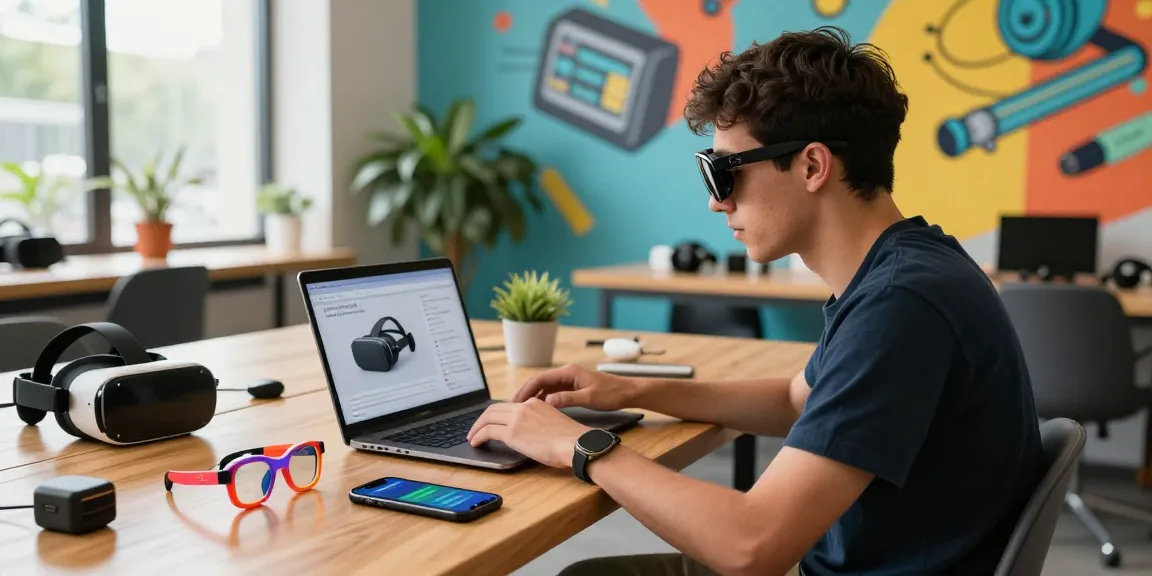

Understanding Smart Glasses
As technology continues to evolve at an unprecedented pace, smart glasses have emerged as a significant advancement within the wearable tech landscape. These innovative devices not only serve the basic function of eyewear but also integrate electronic components that enhance our interaction with the digital world. By bridging the gap between the physical and digital realms, smart glasses open up a myriad of possibilities for users across various domains. When exploring options, smart glasses provide comprehensive insights into how this technology is reshaping our daily lives.
What Are Smart Glasses?
Smart glasses are defined as eyewear equipped with technology that displays information directly in the user’s line of sight. Unlike traditional glasses, which merely correct vision, smart glasses offer features such as augmented reality (AR) overlays, audio playback, and photography capabilities. This technology transforms how users interact with their environment, making it possible to receive notifications, access information, and even navigate hands-free.
How Smart Glasses Work
The core functionality of smart glasses is facilitated by various sensors, cameras, and software. Most models incorporate a heads-up display (HUD) that projects information onto the lens, allowing users to view notifications or navigation prompts without turning their heads. Enhanced by built-in microphones and speakers, these glasses can also respond to voice commands, making them a hands-free solution for multitasking in busy environments.
The Evolution of Smart Glasses Technology
Over the years, smart glasses technology has progressed from bulky prototypes to sleek, fashionable designs. Early models, such as Google Glass, laid the groundwork for modern iterations. However, they faced challenges related to privacy concerns and limited functionality. Today’s smart glasses, cultivated through advancements in miniaturization and connectivity, boast improved battery life, a wider variety of applications, and enhanced comfort, making them more appealing to consumers.
Top Smart Glasses Models for 2026
As the market for smart glasses expands, several standout models have emerged. Consumers can expect a range of options tailored to different needs and preferences. From daily wear to specialized devices, the smart glasses landscape in 2026 is diverse and dynamic.
Best Smart Glasses for Daily Use
For individuals seeking to integrate smart glasses into their everyday lives, models like the Ray-Ban Stories and the Lenovo ThinkReality A3 offer versatile features that blend seamlessly with daily routines. These glasses enable users to take photos, listen to music, and access notifications while maintaining a stylish appearance.
Smart Glasses with Advanced Features
In the realm of advanced technology, devices like the Vuzix Blade and the Microsoft HoloLens 2 stand out. These smart glasses are equipped with sophisticated AR capabilities that can be used in fields like healthcare, architecture, and education. Their ability to overlay digital information onto the real world enhances productivity and fosters creativity.
Budget-Friendly Smart Glasses Options
For cost-conscious consumers, options like the Snap Spectacles 4 provide an entry point into the world of smart eyewear without breaking the bank. These glasses not only capture video but also come with integrated augmented reality features, making them accessible and fun for younger users looking to express their creativity.
Applications of Smart Glasses
The impressive versatility of smart glasses allows them to permeate various sectors, enhancing user experiences in multiple fields. From gaming to fitness, the applications are vast and varied.
Smart Glasses in Augmented Reality
Augmented reality is perhaps the most exciting application of smart glasses. By overlaying digital images onto the real world, these devices can revolutionize industries such as retail, where customers can visualize products in their environment before making a purchase. For instance, AR-enabled glasses can help users see how a piece of furniture fits in their living room or how a new pair of shoes looks on them.
Smart Glasses for Fitness and Wellness
Fitness enthusiasts are increasingly turning to smart glasses to enhance their exercise routines. Devices equipped with fitness tracking features can display performance metrics such as heart rate, speed, and distance traveled, all while ensuring that users remain focused on their workouts. This integration encourages a more interactive and efficient fitness experience.
Smart Glasses in Professional Settings
In professional environments, smart glasses are emerging as valuable tools for training and collaboration. Industries like manufacturing and medicine utilize these devices to provide real-time data to employees. For example, a technician can receive instructions projected onto their glasses while working on machinery, significantly reducing the risk of errors and increasing efficiency.
Challenges and Considerations
Despite their growing popularity, smart glasses come with their share of challenges and considerations that potential users should be aware of. Understanding these factors can aid in making informed purchasing decisions.
Common Misconceptions about Smart Glasses
Many people mistakenly believe that smart glasses are only suitable for tech enthusiasts or professionals. However, as manufacturers focus on user-friendly designs and applications for everyday use, these devices are becoming increasingly accessible for a broad audience. It’s essential to communicate their versatility and functionality beyond traditional tech applications.
Privacy and Security Concerns
Privacy remains a significant concern with smart glasses, particularly those equipped with cameras or recording capabilities. Users must be aware of when and where they use these devices, as recording without consent can lead to legal ramifications. Manufacturers are working to address these concerns, implementing features that allow for easy disabling of cameras and notifications to inform others when recording is in progress.
Maintenance and Care of Smart Glasses
Smart glasses require proper maintenance to ensure their longevity and performance. Users should follow specific care instructions, including regular cleaning and safe storage, to protect the lenses and electronic components. Understanding the necessary care can extend the life of these devices and ensure they operate optimally.
Future Trends in Smart Glasses
The future of smart glasses is promising, with continued advancements set to enhance their capabilities and user experiences dramatically. Here are some key trends to watch for in the coming years.
Upcoming Features and Innovations
Emerging technologies such as eye-tracking and AI integration are poised to take smart glasses to the next level. Eye-tracking can enhance user interaction, allowing for more intuitive controls and notifications tailored to users’ direct line of sight. AI can offer personalized experiences by analyzing user habits and preferences, leading to smarter functionalities.
Market Predictions for Smart Glasses
The global smart glasses market is expected to continue its growth trajectory, with an increasing number of companies entering the space. As manufacturers invest in research and development, competition will drive innovation and further reduce costs, making smart glasses more accessible to the average consumer.
How Smart Glasses Will Shape Our Lives
Smart glasses have the potential to integrate into our daily routines, reshaping how we communicate, learn, and entertain ourselves. With applications extending into various fields, their influence will likely be profound, promoting a more connected and efficient future.